

Hair Loss Solutions: Restore, Renew, Reveal
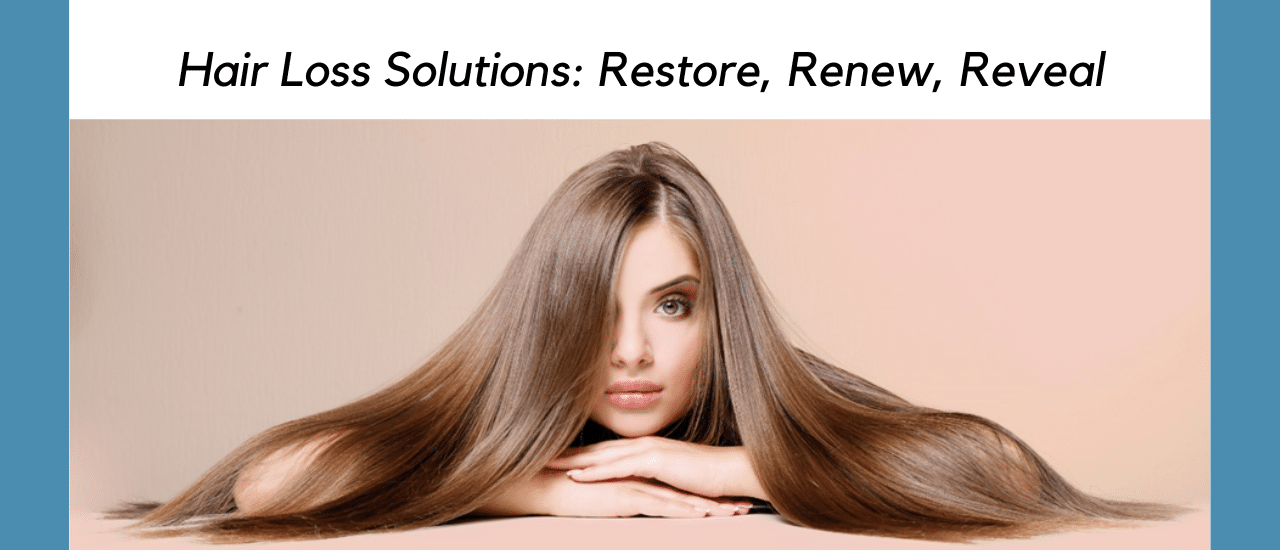
Hair loss can be an emotional roller-coaster, one moment, you’re brushing your hair like usual, but the very next, you notice more strands in your hand or tangled in the brush than before. Whether it’s gradual thinning, sudden shedding or medical related hair loss, the experience can be emotionally and physically overwhelming. This can greatly affect your confidence, self-image and everyday life. But here’s the truth; you are not alone, and there are more hair loss solutions than ever to help you feel like yourself again. From seamless toppers that add instant volume to natural-looking wigs that restore your confidence, today’s hair loss solutions are designed to fit every lifestyle, preference, and need. But how do you choose the right one? That’s where this guide comes in.
We’re breaking down everything you need to know to take care of your hair. Plus, we’ll cover hair loss prevention tips and emotional coping strategies, so you can navigate this journey with confidence. Hair loss may be part of your story, but it doesn’t have to define you. Let’s explore your options and find the solution that makes you feel like the best version of yourself.
Understanding Different Types of Hair Loss

Hair loss affects millions of people worldwide, but not all hair loss is the same. The reasons behind thinning hair, receding hairlines, or sudden bald patches vary widely, and the right solution depends on identifying the root cause. Some types of hair loss are temporary and reversible, while others may require long-term management or cosmetic solutions. Understanding the different types of hair loss makes it easier to explore treatment options and regain confidence.
Why Identifying Hair Loss Matters
Hair loss is more than just a cosmetic issue—it’s deeply connected to overall well-being and confidence. Recognizing the specific type of hair loss makes it easier to explore the right solutions, whether that means medical treatment, preventive care, or cosmetic enhancements like wigs and toppers. The key to managing hair loss effectively is understanding the cause and taking action early, ensuring the best possible results for hair health and self-assurance.
Common Types of Hair Loss
✔Androgenetic Alopecia (Genetic Hair Loss)
One of the most common causes of hair loss, often referred to as male or female pattern baldness. In men, it typically leads to a receding hairline and thinning at the crown, while women experience diffuse thinning, especially along the part. Genetic factors and hormonal changes contribute to this gradual process.
✔Telogen Effluvium (Temporary Shedding Due to Stress or Health Changes)
A sudden increase in hair shedding that occurs when the body experiences stress, illness, hormonal imbalances, or nutritional deficiencies. The hair follicles prematurely enter the resting phase (telogen), causing noticeable thinning. Fortunately, this type of hair loss is often temporary, and hair growth typically resumes once the underlying cause is addressed.
✔Alopecia Areata (Patchy Hair Loss from an Autoimmune Condition)
An unpredictable condition where the immune system mistakenly attacks hair follicles, leading to smooth, round bald patches on the scalp or other parts of the body. In some cases, hair regrows on its own, but medical treatments like corticosteroids may help stimulate regrowth.
✔Traction Alopecia (Hair Loss from Hairstyling Practices)
Caused by excessive pulling or tension on the hair follicles due to tight ponytails or braids,. Over time, continuous strain can weaken follicles, leading to thinning along the hairline or even permanent hair loss if the styling habits are not adjusted.
✔Scarring Alopecia (Permanent Hair Follicle Damage)
Unlike other types of hair loss, this condition occurs when inflammation or skin diseases such as lupus or lichen planopilaris destroy the hair follicles, replacing them with scar tissue. Once the follicles are damaged, hair loss is permanent, making early diagnosis and medical treatment crucial to slowing progression.
✔Medical or Treatment-Induced Hair Loss
Certain medical conditions, chemotherapy, radiation therapy, thyroid disorders, and nutritional deficiencies can trigger hair loss. While some cases are temporary, others may require long-term solutions such as wigs, toppers, or specialized treatments to restore hair confidence.
Hair Loss in Women: Causes and Solutions

For many women, hair is more than just strands—it’s a reflection of identity, confidence, and self-expression. That’s why hair loss can feel deeply personal and even distressing. While shedding a few strands daily is normal, noticeable thinning, bald patches, or excessive shedding can signal an underlying issue. Understanding why hair loss happens and how to address it can help restore both hair health and confidence.
Common Causes of Hair Loss in Women
✔Hormonal Changes
Fluctuations in estrogen and progesterone levels—especially during pregnancy, postpartum, menopause, or due to conditions like polycystic ovary syndrome (PCOS)—can trigger excessive hair shedding or thinning.
✔Nutritional Deficiencies
Hair follicles need essential nutrients like iron, biotin, zinc, and protein to grow strong and healthy. Deficiencies caused by poor diet, restrictive eating habits, or medical conditions can weaken hair, making it brittle and prone to shedding.
✔Chronic Stress and Emotional Strain
Prolonged stress triggers a hormonal response in the body that can push hair follicles into a resting phase, causing excessive shedding known as telogen effluvium. High-stress levels may also contribute to conditions like trichotillomania (hair-pulling disorder).
✔Medical Conditions and Medications
Autoimmune diseases like alopecia areata, thyroid disorders, and certain medications (including those for blood pressure, depression, and chemotherapy) can lead to sudden or progressive hair loss. Identifying and treating the root cause is essential for managing hair health.
Solutions for Hair Loss in Women
✔Nourish from Within
A balanced diet rich in vitamins and minerals supports strong, healthy hair. Supplementing with iron, biotin, and omega-3 fatty acids can also improve hair strength and growth.
✔Gentle Hair Care Practices
Using sulfate-free shampoos, deep conditioning treatments, and minimizing heat styling can protect fragile strands. Opt for loose hairstyles and avoid excessive brushing or tension on the scalp.
✔Scalp Treatments and Topical Solutions
Minoxidil (Rogaine) is an FDA-approved topical treatment that can stimulate hair regrowth in women experiencing thinning hair. Scalp massages and essential oils like rosemary or peppermint may also support circulation and hair health.
✔Medical and Professional Treatments
Women experiencing severe hair loss may benefit from PRP (Platelet-Rich Plasma) therapy, low-level laser therapy (LLLT), or prescription medications. Consulting a dermatologist or trichologist can help determine the best course of action.
✔Wigs, Toppers, and Hair Integration Systems
For instant coverage and confidence, wigs, toppers, and hairpieces offer a seamless, natural-looking solution. Modern hair systems blend effortlessly with existing hair, providing volume and thickness without invasive treatments.
Medical Hair Loss: Solutions During Treatment

Raquel Welch USA Simmer Heat Friendly Synthetic Lace Front Wig
Hair loss caused by medical conditions or treatments can be one of the most challenging experiences, both physically and emotionally. Whether it’s the result of chemotherapy, radiation, autoimmune diseases, or other medical conditions, the sudden or gradual loss of hair can impact self-confidence and well-being.
Why Medical Hair Loss Happens
✔Chemotherapy and Radiation Therapy
Cancer treatments, particularly chemotherapy, target rapidly dividing cells—including hair follicles—causing widespread hair loss. Radiation therapy, when applied to the scalp, may also lead to localized or permanent hair loss.
✔Autoimmune Conditions
Diseases such as alopecia areata, lupus, and psoriasis can cause hair to fall out in patches or result in complete hair loss. These conditions often fluctuate, making hair regrowth unpredictable.
✔Hormonal Imbalances and Thyroid Disorders
Medical conditions like hypothyroidism, hyperthyroidism, and Cushing’s syndrome can trigger hair thinning or excessive shedding due to hormonal disruptions that affect the hair growth cycle.
✔Medications and Medical Treatments
Certain medications, including immunosuppressants, antidepressants, and anticoagulants, list hair loss as a side effect. Organ transplant recipients and individuals undergoing hormone therapy may also experience hair thinning.
Solutions for Managing Medical Hair Loss
✔Wigs and Hairpieces for a Natural Look
For those experiencing total or significant hair loss, medical-grade wigs offer a realistic, comfortable solution. High-quality synthetic and human hair wigs are available in lightweight, breathable designs for daily wear.
✔Soft Caps, Scarves, and Headwraps for Comfort
When the scalp becomes sensitive due to treatments, bamboo caps, silk scarves, and breathable headwraps provide protection while offering stylish and comfortable alternatives to wigs.
✔Scalp Care for Sensitive Skin
During medical treatments, the scalp can become dry, irritated, or inflamed. Using gentle, fragrance-free moisturizers and cooling scalp treatments can help maintain comfort and reduce itchiness.
✔Gradual Transitioning and Shorter Hairstyles
Cutting hair shorter before treatment begins can help ease the transition as hair loss occurs. Some individuals also opt for shaving their heads to regain a sense of control over the process.
✔Cold Cap Therapy to Reduce Hair Loss
Certain cancer treatments offer scalp cooling therapy (cold caps), which help reduce blood flow to the scalp and minimize chemotherapy-induced hair loss. This option is gaining popularity for those who wish to preserve as much hair as possible.
✔Supporting Hair Regrowth Post-Treatment
Once treatment ends, gentle hair care, balanced nutrition, and scalp stimulation can encourage hair regrowth. Low-level laser therapy (LLLT) and topical treatments may also help strengthen new hair as it grows back.
Choosing Between Wigs and Toppers: Finding the Perfect Fit

When hair loss becomes noticeable, many people turn to wigs and toppers for an instant confidence boost. Both offer excellent coverage and can seamlessly blend into natural hair, but choosing the right one depends on the extent of hair loss, lifestyle, and personal preference. Understanding the differences between wigs and toppers makes it easier to find the perfect solution that looks and feels natural.
What’s the Difference?
Wigs: Full Coverage and Maximum Transformation
A wig is a complete hair replacement that covers the entire scalp. It’s the best option for significant or total hair loss, as it doesn’t require any natural hair for blending. Wigs come in synthetic, human hair, and blended options, offering various styles, textures, and densities.
Toppers: Targeted Coverage for Thinning Areas
Hair toppers are partial hairpieces designed to blend seamlessly with existing hair. They clip onto natural hair and add volume, thickness, and coverage in areas where hair is thinning—often at the crown or part line. Toppers work best for those with mild to moderate hair loss who want a discreet and lightweight option.
How to Decide Between a Wig and a Topper
Extent of Hair Loss
- If hair loss is widespread or complete, a wig provides full coverage.
- If thinning is localized, especially at the crown or hairline, a topper offers a natural-looking boost without covering the entire head.
Lifestyle and Daily Comfort
- Wigs require more commitment as they fully cover the scalp but offer styling flexibility.
- Toppers are lightweight and breathable, making them comfortable for everyday wear and blending with natural hair.
Styling Preferences
- Wigs allow for dramatic transformations, with the freedom to switch between colors, textures, and lengths.
- Toppers maintain a more natural, blended look by enhancing existing hair rather than replacing it.
Maintenance and Care
- Wigs need regular washing, styling, and proper storage to maintain their shape and longevity.
- Toppers require blending with natural hair and may need touch-ups to keep them secure.
Hair Loss Prevention Tips: Protecting and Strengthening Your Hair

While some types of hair loss are genetic or medically induced, many cases can be slowed, managed, or even prevented with the right care. Keeping hair healthy requires nourishment, gentle maintenance, and proactive scalp care. Whether hair thinning has just begun or you’re looking to protect long-term hair health, these practical prevention tips can help maintain strong, resilient strands.
Daily Hair Care for Stronger Strands
✔ Use Gentle Hair Products
Harsh shampoos with sulfates, parabens, and alcohol can strip hair of natural oils, making it prone to breakage. Opt for sulfate-free, mild shampoos that support scalp health.
✔ Avoid Excessive Heat Styling
Frequent use of flat irons, curling wands, and blow dryers weakens hair proteins over time. When heat styling is necessary, apply a heat protectant and use the lowest setting possible.
✔ Minimize Chemical Treatments
Overprocessing hair with dyes, relaxers, perms, or keratin treatments can cause hair to become brittle and fall out. Give hair time to recover between treatments and opt for ammonia-free dyes when possible.
✔ Be Gentle When Brushing
Rough brushing, especially on wet hair, can cause unnecessary breakage. Use a wide-tooth comb or detangling brush, and start from the ends to avoid pulling.
Nutrition for Hair Growth
✔ Prioritize Protein and Iron
Hair is made of keratin, a protein that needs a steady supply of amino acids to grow. Lean meats, eggs, fish, nuts, and beans help maintain healthy hair. Iron-rich foods like spinach and lentils improve oxygen supply to hair follicles.
✔ Incorporate Biotin and Omega-3 Fatty Acids
Biotin, found in eggs, almonds, and sweet potatoes, strengthens hair and promotes growth. Omega-3s from salmon, flaxseeds, and walnuts nourish the scalp and reduce inflammation.
✔ Stay Hydrated
Dehydration affects hair just as much as skin. Drinking enough water daily keeps hair hydrated from the inside out, preventing dryness and breakage.
Scalp Health and Hair Protection
✔ Massage the Scalp for Circulation
Regular scalp massages increase blood flow to hair follicles, delivering essential nutrients and oxygen. Using natural oils like coconut or rosemary oil may further support hair strength.
✔ Reduce Stress Levels
Chronic stress triggers hair loss conditions like telogen effluvium by pushing hair follicles into a resting phase. Practicing meditation, deep breathing, or exercise can reduce stress-related shedding.
✔ Limit Tight Hairstyles
Tight ponytails, buns, and braids can cause traction alopecia, leading to thinning around the hairline. Wearing hair loosely and switching up styles can reduce tension.
✔ Protect Hair While Sleeping
Friction from cotton pillowcases can cause breakage. Sleeping on a silk or satin pillowcase reduces stress on hair and prevents tangles.
When to Seek Professional Advice
If hair loss persists despite preventive efforts, consulting a dermatologist or trichologist can help pinpoint the cause. Early intervention with scalp treatments, supplements, or medical solutions can make a significant difference in maintaining healthy hair.
Emotional Coping with Hair Loss: Navigating the Journey with Confidence

Hair loss isn’t just a physical change—it’s an emotional experience that can impact self-esteem, identity, and daily interactions. Whether hair thinning happens gradually or suddenly, it can bring feelings of frustration, sadness, or even anxiety. However, hair loss does not define beauty, strength, or worth. Learning to cope emotionally and build confidence throughout this journey can make a significant difference in overall well-being.
Acknowledging the Emotional Impact
✔ Allow Yourself to Feel
Hair loss can trigger a range of emotions, from shock to sadness to frustration. It’s okay to grieve the change—what matters is finding a path forward that helps you regain confidence.
✔ Challenge Negative Self-Talk
Thoughts like “I don’t look the same” or “People will judge me” can take a toll on self-esteem. Reframing these thoughts into empowering ones—such as “I am still me” or “My confidence comes from within”—can shift perspective.
✔ Recognize That You Are Not Alone
Millions of people experience hair loss, yet it often feels isolating. Seeking out support groups, online communities, or conversations with loved ones can help normalize the experience.
Building Confidence in Your New Look
✔ Experiment with Wigs, Toppers, or Headwraps
Finding a wig, topper, or stylish headscarf that feels comfortable and suits personal style can make a big difference in self-confidence. Treating hair accessories as fashion statements rather than necessities can help shift the mindset from loss to self-expression.
✔ Embrace Your Natural Beauty
Some individuals choose to fully embrace baldness or thinning hair rather than cover it. This can be a powerful, liberating choice that redefines beauty on personal terms.
✔ Invest in Self-Care
Hair loss can be stressful, but focusing on overall well-being—through skincare, fitness, mindfulness, or new fashion choices—can redirect attention toward self-care and self-love.
Finding Emotional Support
✔ Talk to Someone You Trust
Opening up about feelings related to hair loss with a close friend, family member, or therapist can ease the emotional burden.
✔ Join a Support Group
Connecting with others who have experienced hair loss—whether in-person or online—provides comfort, advice, and a sense of belonging.
✔ Seek Professional Guidance
If hair loss is deeply affecting self-esteem, speaking with a mental health professional can help navigate emotional challenges and build resilience.
Confidence Starts with the Right Solution
Hair loss isn’t the end of your story—it’s a chance to redefine it. Whether you want the full transformation of a wig, the subtle boost of a topper, or expert guidance on the best solution for you, the right choice is the one that makes you feel confident, beautiful, and unstoppable. Your hair journey is unique, and so is the solution that fits you best.
Take Back Control – Find Your Perfect Hair Today!
Luxury wigs, seamless toppers, and expert advice—because you deserve hair that feels like YOU. Shop Now or Get Personalized Help from Our Experts!
