

Wig Care 101: Wash It Right in 7 Easy Steps!
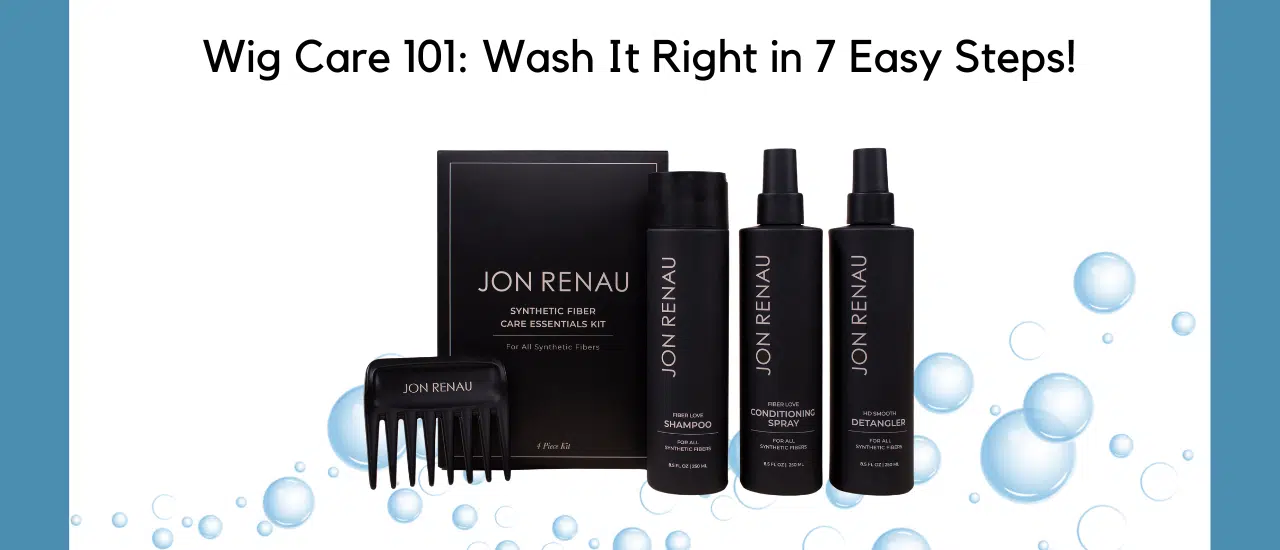
Your wig is more than just hair—it’s confidence, style, and self-expression. But without the right wig care, it can lose its luster, tangle up, or feel lifeless. Washing your wig isn’t just about cleaning; it’s about keeping it soft, silky, and looking brand new. The good news? It’s easier than you think! With these 7 simple steps, you’ll master the art of wig washing like a pro—no frizz, no damage, just flawless, ready-to-wear beauty. Let’s get started!
Step 1: Gather Your Supplies for Your Wig Care Regime
Before you begin washing your wig, having the right tools and products on hand ensures a smooth and damage-free wig care process.
Mild Wig Shampoo – Choose the Right Formula for Wig Care
Not all shampoos are created equal—using the wrong one can strip moisture and damage the fibers. Select a shampoo based on the type to ensure optimal wig care:
- For synthetic wigs: Use a sulfate-free wig shampoo to maintain softness and prevent frizz. Regular shampoos contain harsh detergents that can dry out synthetic fibers.
- For human hair wigs: A color-safe, moisturizing shampoo helps preserve the natural texture, prevent dryness, and protect dyed or treated hair.
💡 Avoid using regular shampoos as they may contain sulfates and parabens that can weaken the wig structure.
Conditioner (For Human Hair Wig Care Only) – Lock in Moisture
Unlike natural hair, wigs do not receive natural oils from the scalp. Conditioning helps restore hydration and maintain wig care:
- Apply conditioner only from mid-lengths to ends to keep the hair smooth and tangle-free.
- Avoid applying conditioner to the lace or wig cap, as it can loosen the knots and cause shedding.
💡 For extra softness, let the conditioner sit for 3–5 minutes before rinsing with cool water.
Wide-Tooth Comb or Wig Brush – Prevent Tangles
Detangling before washing is crucial to avoid knots and breakage:
- For straight and wavy wigs: Use a wide-tooth comb to gently remove tangles, starting from the ends and working up to the roots.
- For curly wigs: Use your fingers or a wig brush with soft bristles to maintain curl definition and prevent frizz.
💡 Never brush a wet wig—it’s more prone to breakage when soaked.
Basin or Sink Filled with Lukewarm Water – Maintain Wig Care and Integrity
Water temperature plays a vital role in wig care:
- Lukewarm water (not too hot, not too cold) is ideal for cleansing without damaging the fibers.
- Hot water can loosen the wig’s structure and cause synthetic fibers to become brittle.
- Cold water won’t effectively remove buildup from hair products or sweat.
💡 Use filtered or distilled water for your wig care regime because if your tap water is hard, as minerals can build up on it.
Soft Microfiber or Cotton Towel – Dry Without Frizz
A proper drying method prevents damage and maintain wig care
- Use a microfiber or soft cotton towel to blot excess water.
- Do not rub or wring out the wig, as this can cause frizz, tangling, and fiber breakage.
💡 For synthetic wig care, gently pat dry and let them air dry completely before styling.
Wig Stand or Mannequin Head – Preserve Wig Care and Shape
Letting your wig dry correctly helps maintain its style and prevent unwanted creasing:
- A wig stand allows airflow, preventing mildew and odor buildup.
- A mannequin head is ideal for styling wigs after they dry, keeping the shape intact.
💡 Avoid drying your wig on a flat surface, as it can lose volume and form unwanted bends.
Step 2: Detangle the Wig – Keep It Smooth & Tangle-Free
Before washing your wig, it’s essential to detangle it properly to prevent knots from worsening during the cleaning process.
Secure the Wig in Place
- Place the wig on a flat surface (such as a clean table or countertop) or a wig stand to keep it stable.
- If using a mannequin head, gently pin the wig in place to prevent shifting while detangling.
💡 Avoid detangling while the wig is wet—wet fibers are more fragile and prone to breakage.
Choose the Right Detangling Tool
Different wig types require different tools to prevent frizz and maintain structure:
- For straight and wavy wigs: Use a wide-tooth comb or a wig brush with soft bristles to remove knots gently.
- For curly wigs: Use your fingers instead of a brush to avoid disrupting the curl pattern. A wide-tooth comb may be used sparingly for loose curls.
💡 Never use a fine-tooth comb—it can pull and damage the wig fibers, leading to shedding.
Detangle from Ends to Roots
- Start at the ends of the hair and gently work your way up to the roots.
- Use slow, careful strokes to avoid tugging or causing excessive tension.
- For stubborn knots, apply a wig-friendly detangling spray or a drop of lightweight oil (for human hair wigs) and gently separate the tangle with your fingers before using a comb.
💡 Detangling in sections makes the process easier and helps minimize hair shedding.
Step 3: Prepare the Shampoo Bath – The Right Way for Wig Care
Now that your wig is fully detangled, it’s time to prepare a gentle cleansing bath to remove dirt, sweat, and product buildup while preserving the wig’s quality.
Fill a Basin or Sink with Lukewarm Water
- Use a clean plastic or ceramic basin (or a thoroughly cleaned sink) to avoid exposing your wig to dirt or harsh residues.
Fill it with lukewarm water (between 85°F–95°F or 29°C–35°C) to ensure gentle cleansing.
- For synthetic wigs: Too much heat can damage or alter the shape of the fibers.
- For human hair wigs: Extremely hot water can strip moisture and cause dryness.
💡 Test the water with your wrist—it should feel comfortably warm, not hot.
Add Wig-Friendly Shampoo & Mix Well
- Pour ½ to 1 teaspoon of wig-friendly shampoo (depending on wig length and density) into the water.
- Use your hand to swirl the water until the shampoo is evenly dispersed, creating a light lather.
- Do not pour shampoo directly onto the wig—diluting it in water ensures even cleansing without overloading certain areas with product.
Shampoo Selection Matters
- For synthetic wigs: Use a sulfate-free, fiber-safe shampoo designed for synthetic hair. Regular shampoos can weaken synthetic fibers.
- For human hair wigs: Opt for a moisturizing, color-safe shampoo to maintain hydration and prevent color fading (especially for dyed wigs).
Double-Check Water Temperature Before Washing
- If the water feels too warm, add a bit of cool water to adjust.
- For synthetic wigs: Water should never be above 95°F (35°C) to prevent fiber distortion.
- For human hair wigs: Cooler water helps seal moisture and prevents cuticle damage.
💡 For extra freshness, you can add a drop of leave-in wig conditioner to the water for human hair wigs.
Step 4: Wash the Wig Gently – Keep It Clean Without Damage
Washing your wig the right way ensures it stays soft, tangle-free, and long-lasting. Avoid scrubbing or rubbing—gentle handling is key!
Submerge the Wig and Let It Soak
- Carefully place the wig into the shampoo bath, ensuring it is fully submerged.
- Gently press it down so the water soaks through the strands and the wig cap.
- Let it soak for about 5 minutes—this allows the shampoo to break down oils, dirt, and product buildup.
💡 For heavily soiled wigs, extend the soaking time to 7–10 minutes for a deeper clean.
Swirl the Wig Gently – No Rubbing or Scrubbing!
- Hold the wig by the crown (top part) and swirl it in the water using slow, circular motions.
- Do not rub, twist, or scrub the hair—this can cause frizz, tangles, and fiber damage.
- For long wigs, gently lift and lower the strands to ensure even cleansing.
💡 For synthetic wigs, avoid rough movements, as synthetic fibers are more prone to damage when wet.
Cleanse the Lace and Cap with Fingertips
- Turn the wig inside out to access the lace or cap.
- Use your fingertips (not nails!) to gently massage shampoo onto the inside of the cap, especially around the hairline and nape—areas that absorb sweat and oils.
- If needed, use a soft-bristle toothbrush to lightly cleanse lace fronts or monofilament tops.
💡 For human hair wigs, you can apply a tiny drop of extra shampoo to the lace for a more thorough clean.
Step 5: Rinse and Condition – Keep Your Wig Hydrated & Soft
(For Human Hair Wigs Only)
After washing, it’s essential to rinse out all shampoo completely and apply conditioner to keep your wig smooth, hydrated, and tangle-free. Follow these steps carefully to maintain its quality.
Rinse Thoroughly with Cool Running Water
- Hold the wig under a faucet or use a cup to pour cool water over it.
- Start from the roots and work your way down to the ends, ensuring that all shampoo is removed.
- Gently use your fingers to separate strands as you rinse, helping the water flow through evenly.
💡 Why cool water? It helps seal the hair cuticles, reducing frizz and locking in moisture for a silkier feel.
Apply Conditioner to Mid-Lengths and Ends
- Take a dime-sized amount of conditioner (adjust based on wig length and density).
- Apply only from the mid-lengths to the ends—avoid the wig cap, as conditioner can loosen the knots and cause shedding.
- Use fingers or a wide-tooth comb to distribute the conditioner evenly through the strands.
💡 For extra hydration, use a deep-conditioning treatment once a month to restore softness and shine.
Let the Conditioner Sit, Then Rinse
- Leave the conditioner on for 2–5 minutes to allow the hair to absorb moisture.
- Rinse with cool water until the conditioner is completely removed, ensuring no residue is left behind.
💡 For color-treated or dry wigs, you can let the conditioner sit for up to 10 minutes before rinsing for extra softness.
Step 6: Dry the Wig Properly – Preserve Its Shape & Texture
Drying your wig correctly is just as important as washing it. The right method prevents frizz, tangles, and damage while keeping your wig looking fresh and long-lasting.
Remove Excess Water Without Twisting or Wringing
- Hold the wig over the sink or basin and gently shake off excess water.
- Place it on a soft microfiber or cotton towel and gently pat dry—never rub, twist, or wring the fibers, as this can cause tangling and breakage.
💡 Why microfiber? It absorbs water faster while reducing frizz and static.
Place the Wig on a Wig Stand to Air Dry
- Position the wig on a wig stand or mannequin head to allow proper airflow.
- Ensure the wig is evenly spread out so strands don’t clump together while drying.
- Keep it away from direct sunlight or heat sources (like radiators or hairdryers) to prevent fiber damage.
💡 For synthetic wigs: Never use heat to dry, as high temperatures can melt or deform the fibers.
Blow-Drying for Human Hair Wig Care (Optional)
- If air drying isn’t an option, use a blow dryer on a low heat setting while gently brushing with a wig-friendly brush.
- Always hold the dryer at least 6 inches away and use a diffuser attachment to minimize heat damage.
- Blow-dry in sections, starting from the roots and working down to prevent tangles.
💡 For best results, let human hair wigs air dry at least halfway before using a blow dryer.
Step 7: Wig Care – Style and Store Your Wig the Right Way
Now that your wig is clean and dry, the final step in proper wig care is styling it correctly and storing it safely. These steps will help extend your wig’s lifespan while keeping it looking fresh and ready to wear.
Style Gently to Maintain Wig Care and Shape
- Use a wig brush, wide-tooth comb, or your fingers to style the wig.
- For straight and wavy wigs: Brush gently, starting from the ends and working your way up.
- For curly wigs: Use your fingers or a wig-specific wide-tooth comb to avoid disrupting the curl pattern.
💡 Avoid brushing synthetic wigs when dry—use a wig-friendly detangling spray for easy styling and seamless wig care.
Be Mindful of Heat When Styling for Optimum Wig Care
- For synthetic wigs: Avoid heat styling unless the wig is labeled heat-resistant. Excess heat can melt or deform synthetic fibers.
- For human hair wigs: Use heat tools on low to medium settings and always apply a heat protectant spray.
💡 If using heat on a human hair wig, set the tool to 250°F–300°F (120°C–150°C) to prevent damage.
Store Your Wig Properly to Protect Its Longevity
- On a wig stand: Ideal for short and medium-length wigs to maintain their shape and prevent tangles.
- In a silk or satin bag: Best for long wigs or travel storage, as it prevents friction and frizz.
- Away from direct sunlight, dust, and humidity to keep fibers from fading or drying out.
💡 For long-term storage, keep the wig in a breathable bag or box with a silica gel packet to prevent moisture buildup.
Your wig isn’t just an accessory—it’s part of your style, confidence, and personality. With the right wig care routine, you can keep it looking fresh, soft, and full of life for many wears to come. By following these 7 easy steps, you’re not just washing a wig—you’re preserving its beauty, maintaining its shape, and ensuring it’s always ready to shine. So, the next time wash day comes around, treat your wig with the same love and care you’d give your own hair. A well-cared-for wig means effortless styling, long-lasting quality, and a flawless look every time you wear it. Happy wig care!
Your Wig, Your Confidence—Keep It Flawless! Explore HairWeavon for premium wigs and expert care tips. Shop now and let every strand shine!
