

Seamless & Secure: Mastering Hair Topper Installation
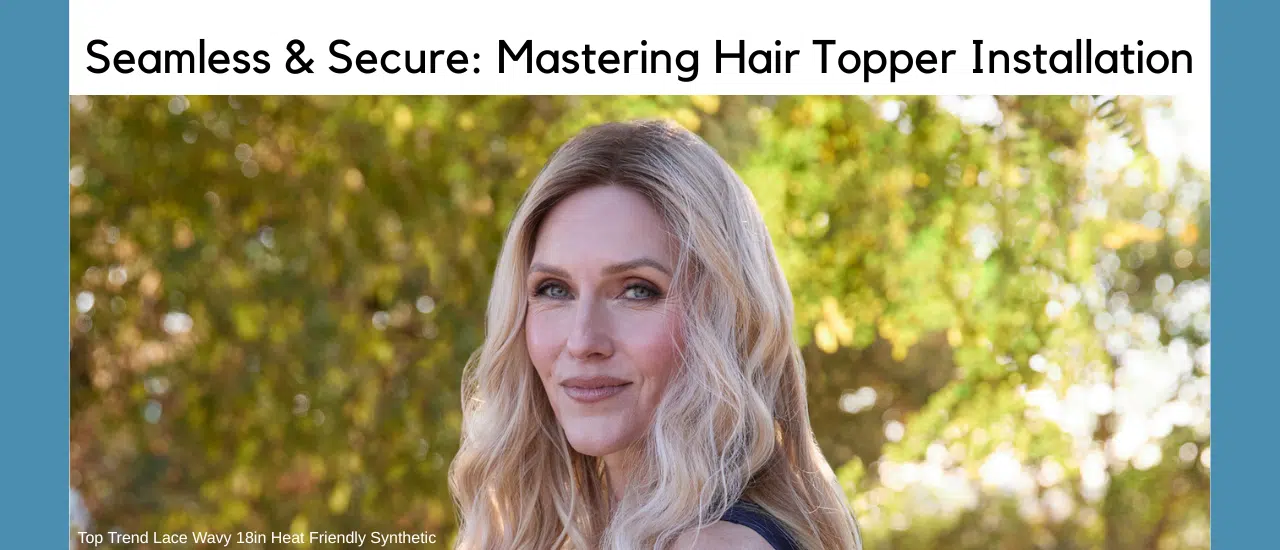
Ever wished for instant volume, seamless coverage, or a flawless hair transformation? Hair topper installation is the key to achieving a natural, undetectable look with ease! Whether you’re adding thickness, concealing thinning areas, or experimenting with a new style, the right technique makes all the difference. But don’t worry—mastering hair topper installation isn’t as tricky as it seems. With a few simple steps, you’ll be securing, blending, and styling your topper like a pro. Ready to turn heads with confidence? Let’s dive in!
Step 1: Choosing the Right Hair Topper
Selecting the right hair topper is crucial for achieving a natural and seamless look. The right topper should match your hair type, provide adequate coverage, and feel comfortable for daily wear.
Understanding Different Types of Hair Toppers
Hair toppers are made from two main materials: human hair and synthetic hair. Each has its advantages and considerations.
- Made from 100% real human hair, offering the most natural appearance.
- Can be styled, curled, or straightened using heat tools.
- Typically lasts 6 months to 2 years with proper care.
- Requires regular washing and styling, just like natural hair.
- More expensive but provides the most realistic look and feel.
- Made from artificial fibers that mimic real hair.
- Pre-styled and maintains its shape even after washing.
- Cannot be heat-styled unless labeled as “heat-resistant.”
- Typically lasts 4 to 6 months with regular use.
- More affordable than human hair but may have a slightly artificial shine.
💡 Tip: If you want a low-maintenance option, go for a synthetic topper. If you prefer a natural look with styling flexibility, choose human hair.
Selecting the Right Base Size for Coverage
The base size of a topper determines how much scalp area it will cover. Choosing the wrong size can lead to an unnatural appearance.
How to Measure for the Right Base Size
- Identify the thinning or balding area on your scalp.
- Use a soft measuring tape to measure the width and length of the area.
- Select a topper that is at least 1 inch larger than the area to ensure proper blending.
Base Size Recommendations
- Small Base (2”–4” width): Best for minor thinning at the part or slight volume enhancement.
- Medium Base (5”–7” width): Ideal for moderate hair loss and fuller coverage.
- Large Base (8”+ width): Recommended for significant thinning or near-full scalp coverage.
🔍 Tip: Always measure in natural lighting to get an accurate idea of the coverage needed.
Matching the Color and Texture to Your Natural Hair
To ensure a seamless blend, your hair topper must match your hair color, texture, and density.
Color Matching
- Select a shade closest to your natural hair color.
- If you have highlights or balayage, opt for a rooted topper with blended shades.
- Always check the color in natural daylight to avoid mismatches.
Texture Matching
- Straight toppers work best for naturally straight or slightly wavy hair.
- Wavy toppers blend well with loose waves or beachy textures.
- Curly toppers are designed for ringlets, coils, or tight curls.
- If using a human hair topper, you can heat-style it to match your hair’s texture.
🎨 Tip: If you’re unsure, go for a slightly lighter shade—it’s easier to darken a topper with toner than to lighten it.
Choosing the Right Attachment Method
Hair toppers can be attached in different ways, depending on your preference and lifestyle.
Clip-In Toppers (Most Popular Option)
- Easy to attach and remove in minutes.
- Provides a secure hold without the need for adhesives.
- Ideal for beginners and those who wear toppers occasionally.
❌Can cause strain on fine or fragile hair if not clipped properly.
Tape-In Toppers
- Offers a flatter, more seamless appearance than clips.
- Suitable for long-term wear (can last 4–6 weeks before reapplication).
- Requires proper removal and reapplication with tape adhesive.
❌Not recommended for people with oily scalps or excessive sweating.
Integrated Toppers (Pull-Through Bases)
- Features a lace or mesh base that allows your natural hair to be pulled through for blending.
- Provides breathability and volume for a realistic look.
❌ Best suited for mild to moderate hair thinning—not ideal for severe hair loss.
🔗 Tip: If you’re new to toppers, start with a clip-in style before committing to a more permanent option.
Step 2: Preparing Your Natural Hair for Hair Topper Installation
Properly preparing your natural hair before installing a hair topper is essential for achieving a seamless, secure, and comfortable fit.
Washing and Conditioning for a Seamless Blend
A clean and well-conditioned scalp provides the best foundation for a hair topper. Here’s how to prep your hair for the perfect installation:
Washing Tips
- Use a sulfate-free shampoo to prevent residue buildup.
- Wash your hair at least a few hours before installation to ensure it’s completely dry.
- If you have an oily scalp, use a clarifying shampoo to remove excess oil.
- For dry hair, opt for a hydrating shampoo to maintain moisture balance.
Conditioning Tips
- Apply conditioner only to the mid-lengths and ends to avoid weighing down the roots.
- Avoid using heavy or silicone-based conditioners near the scalp—this can cause the topper to slip.
- Use a lightweight leave-in conditioner for added softness and manageability.
💡 Tip: Avoid applying too much product before installation, as it can make your natural hair too slick for the topper clips to grip securely.
Creating a Secure Base for the Hair Topper
A strong and stable base helps the hair topper stay in place throughout the day. The best method depends on your hair type and personal preference.
Method 1: Braiding (For Medium to Long Hair)
- Divide your hair into two small, flat braids along the area where the topper will sit.
- Secure the braids with small, thin elastic bands to prevent bulkiness.
- Clip the topper onto the braids for extra grip and stability.
✔ Ideal for those with longer hair who want maximum security.
❌ May create slight bumps if the braids aren’t flat enough.
Method 2: Parting (For a Natural Look)
- Part your natural hair where you want the topper to sit.
- Align the part of the topper with your natural hair part for a realistic blend.
- Clip the topper securely, ensuring it lies flat against your scalp.
✔ Best for those who wear a topper with a natural parting.
❌ May require teasing or a volumizing powder for better grip.
Method 3: Teasing (For Extra Hold on Fine Hair)
- Gently tease the hair at the roots where the topper clips will attach.
- Use a fine-tooth comb and light hairspray for added grip.
- Clip the topper onto the teased section to prevent slipping.
✔ Works well for fine or silky hair that needs extra grip.
❌ Can cause tangling if not done carefully.
💡 Tip: Choose the method that provides the most comfort and stability based on your hair type and topper style.
Using a Wig Cap for Smooth Hair Topper Installation
A wig cap can be an excellent tool for those who want added grip and protection. It helps create a smoother surface for the topper while preventing friction and scalp irritation.
Types of Wig Caps
- Mesh Wig Cap: Breathable and ideal for warm climates.
- Nylon Wig Cap: Provides a smooth base but may cause slight slipping.
- Silicone-Grip Wig Cap: Offers a non-slip surface, perfect for those with very fine or thinning hair.
How to Use a Wig Cap with a Hair Topper
- Place the wig cap over your head, ensuring it sits securely.
- Tuck in any loose hair to create a flat, smooth surface.
- Position the hair topper over the wig cap and secure it with clips.
✔ Great for people with sensitive scalps or very fine hair.
❌ May not be necessary for those with thicker hair or clip-in toppers.
💡 Tip: If you find the wig cap too slippery, apply a light spritz of hairspray before placing the topper.
Step 3: Positioning the Hair Topper
Proper placement of your hair topper is essential for achieving a natural and comfortable fit. A well-positioned topper blends seamlessly with your natural hair, creating the illusion of fuller, thicker hair without looking artificial.
Determining the Best Placement on Your Head
Before attaching the hair topper, you need to find the right spot on your scalp where it will provide the best coverage and blend seamlessly with your natural hair.
How to Identify the Ideal Placement:
- Assess the Thinning Area: If using the topper to cover thinning, position it directly over the sparse area.
- Check the Mirror from Different Angles: Ensure the topper covers the necessary areas without looking bulky.
- Consider the Base Size: Larger bases may require slight adjustments to find the most comfortable fit.
Common Placement Options
- Crown Placement: Ideal for covering thinning at the top of the head and adding volume.
- Front/Parting Placement: Best for those experiencing thinning at the hairline or part.
- Back Placement: Suitable for those needing volume at the back of the head.
💡 Tip: For a natural look, position the topper where your hair naturally parts or where you need the most coverage.
Aligning the Topper with Your Natural Hair Part
To ensure your topper looks undetectable, it should match your existing hairline and part.
Steps to Properly Align Your Hair Topper:
- Brush Your Natural Hair & Topper: Ensure both are tangle-free before installation.
- Place the Topper on Your Head Without Clipping: Position it gently to check alignment.
- Match the Parting: If your topper has a defined part, line it up with your natural part.
- Adjust for Balance: Ensure both sides look even and symmetrical.
🔍 Tip: If your topper’s part doesn’t match your natural one, use a heat-safe human hair topper to restyle the part or slightly shift the placement.
Adjusting the Topper for a Natural Look
Once the topper is positioned correctly, make small adjustments to ensure a flawless blend.
How to Make the Topper Look Natural
- Gently Pull Some Natural Hair Over the Topper’s Edges: This helps blend the topper with your hairline.
- Blend with Styling: Use a flat iron or curling iron (for human hair toppers) to mix your natural hair and the topper.
- Secure the Clips or Adhesive Firmly: Ensure the topper is snug but not too tight to avoid tension on your scalp.
- Fluff and Adjust the Volume: Lightly tease the roots or use a small amount of volumizing spray for a more natural transition.
💡 Tip: If the topper looks too high or bulky, reposition it slightly further back and smooth it down with a soft-bristle brush.
Step 4: Securing the Hair Topper
Once your hair topper is positioned correctly, securing it properly ensures a comfortable, natural, and long-lasting hold.
Clip-In Toppers: How to Properly Clip and Secure Them
Clip-in toppers are the most popular and beginner-friendly option. They provide an instant transformation and are easy to attach and remove.
How to Secure a Clip-In Hair Topper
- Open the Clips: Hold the topper in place and gently open all the attached clips.
- Start at the Front: Align the front clip with your hairline or natural part and snap it shut.
- Secure the Side Clips: Press the side clips into place, ensuring they grip firmly onto your natural hair.
- Finish with the Back Clips: Secure the back clips last to create a snug, even hold.
- Blend & Adjust: Use a soft brush or comb to blend your natural hair over the topper edges.
❌ Common Mistakes to Avoid
- Clipping Too Tightly: Can cause discomfort and damage natural hair.
- Not Aligning the Clips Correctly: Can make the topper look unnatural.
- Skipping Hair Prep: Make sure your natural hair is clean and dry before attaching.
💡 Tip: If your topper slips, lightly tease the roots before clipping for extra grip.
Tape-In Toppers: Applying Adhesive Strips for a Firm Hold
Tape-in toppers provide a more secure and long-term attachment, lasting up to 4–6 weeks before reapplication is needed.
How to Apply Tape-In Toppers
- Clean & Dry Your Scalp: Use an alcohol-based cleanser to remove excess oils.
- Peel Off the Adhesive Backing: Expose the sticky side of the tape.
- Position the Topper: Align the front edge of the topper with your hairline or part.
- Press Firmly: Smooth the tape against your scalp to ensure a strong bond.
- Allow Time to Set: Avoid washing or styling for at least 24 hours to let the adhesive fully adhere.
Removing and Reapplying Tape-In Toppers
- Use a tape remover solution to dissolve the adhesive before removal.
- Gently peel the topper off, avoiding pulling to prevent hair damage.
- Reapply new adhesive strips when reinstalling the topper.
💡 Tip: If you sweat a lot or have an oily scalp, opt for strong-hold adhesive tapes to extend the wear time.
Integrated Toppers: Blending Hair Through the Topper’s Mesh Base
Integrated hair toppers have a lace or mesh base that allows your natural hair to be pulled through, creating a realistic and breathable effect.
How to Secure an Integrated Hair Topper
- Position the Topper Over Your Natural Hair: Place the topper on the thinning area.
- Pull Through Strands of Your Own Hair: Use a fine-tooth comb or fingers to gently pull sections of your hair through the mesh openings.
- Adjust and Blend: Ensure the pulled-through hair is evenly distributed for a seamless appearance.
- Secure with Additional Clips (If Needed): Some integrated toppers have clips for added security—snap them in place if necessary.
❌ Common Mistakes to Avoid
- Pulling Too Much Hair Through: Can make the topper look bulky.
- Not Aligning the Topper Properly: May expose the mesh, making it visible.
💡 Tip: This method works best for people with mild to moderate thinning who still have enough hair for blending.
Adjusting for Comfort and Avoiding Tension
Regardless of the attachment method, comfort is key when securing a topper. A poorly secured topper can cause headaches, scalp irritation, or tension on natural hair.
How to Ensure a Comfortable Fit
- Check for Tightness: If the topper feels too tight, readjust the clips or loosen the adhesive.
- Distribute Weight Evenly: Make sure the topper isn’t pulling in one area, which can strain natural hair.
- Avoid Placing Clips on Weak Areas: If you have fine or thinning hair, place the clips on stronger, healthier sections.
- Use a Wig Grip Band for Extra Comfort: If clips feel uncomfortable, a wig grip band can add cushioning and security.
💡 Tip: If you experience discomfort after wearing the topper for a few hours, adjust the positioning slightly to relieve tension.
Step 5: Final Touches, Adjustments & Maintenance
Once your hair topper is secured, the final touches will enhance its natural appearance and longevity. Proper styling, care, and maintenance will keep it looking fresh and seamless.
Checking for Visible Clips or Edges
- Use a mirror at different angles to check for exposed clips or tape.
- Gently tug the topper to ensure it’s secure but not too tight.
- Use a rat-tail comb to blend your natural hair over the topper’s edges.
🔍 Tip: If clips or tape are visible, shift the topper slightly or adjust your parting.
Using Hair Products for a Polished Look
- Volumizing powder or dry shampoo adds lift for better blending.
- Light-hold hairspray keeps styles in place without stiffness.
- Texturizing spray enhances movement and realism.
- Leave-in conditioner (for human hair toppers) keeps strands soft.
💡 Tip: Avoid oils or heavy serums on synthetic toppers—they can weigh the hair down.
Creating a Natural Scalp Appearance
- Blend the parting with a fine-tooth comb.
- Apply concealer or root powder to match the topper’s scalp to your own.
- Pluck excess hair from lace-based toppers for a more natural hairline.
🔍 Tip: Reduce synthetic topper shine with a light mist of dry shampoo.
Your Hair Topper
- Human Hair: Every 10–15 wears or when buildup occurs.
- Synthetic Hair: Every 15–20 wears since it doesn’t absorb oils.
How to Wash It Properly
- Use sulfate-free shampoo (human hair) or wig shampoo (synthetic).
- Gently soak in lukewarm water, avoiding scrubbing.
- Apply conditioner to the ends only to prevent buildup.
- Pat dry with a towel and air dry.
💡 Tip: Avoid hot water on synthetic toppers—it can damage the fibers.
Best Products for Hair Toppers
- Human Hair: Sulfate-free shampoo, argan oil, heat protectant.
- Synthetic Hair: Wig shampoo, detangler spray, fabric softener mix.
🔍 Tip: Never use regular hair products on synthetic toppers—they can cause frizz.
Proper Storage to Extend Lifespan
- Store on a wig stand or mannequin head to maintain shape.
- Keep in a silk bag or dust-free box to prevent tangling.
- Avoid direct sunlight and heat to prevent fading.
Troubleshooting Common Issues
- Slipping: Use a wig grip band or tease roots for extra hold.
- Tangling: Brush gently with a wig brush and apply detangling spray.
- Excess Shine: Mist with dry shampoo to tone down synthetic fibers.
💡 Tip: Regular maintenance prevents these issues before they start.
Mastering hair topper installation is more than just securing clips or blending strands—it’s about feeling confident and unstoppable. With the right techniques, a little finesse, and proper care, your topper will look flawless, natural, and effortlessly you.
Step out, turn heads, and own your look with HairWeavon!
